
Pop culture is like a chameleon—constantly shifting and adapting to the whims of society. One minute, everyone’s obsessed with a viral dance challenge, and the next, they’re debating the latest superhero film. It’s a wild ride that keeps everyone on their toes, and it’s hard not to be swept up in the frenzy.
Overview of Pop Culture Changes
Pop culture evolves rapidly, driven by various influences such as technology, social media, and global events. Trends often rise and fall in the blink of an eye, reflecting the public’s shifting interests. Viral challenges on platforms like TikTok frequently captivate millions and then fade just as quickly. Fan engagement in discussions about films and music shapes the creative landscape, indicating that consumer feedback plays a significant role in the industry’s direction.
Social movements also impact pop culture, with messages of equality and justice permeating art forms. Musicians and filmmakers are now more aware of their responsibilities in addressing societal issues. Documentaries and protest songs that tackle contemporary topics gain traction and spark dialogues, emphasizing how media and culture can influence activism.
Streaming services have revolutionized content delivery, altering how audiences consume entertainment. People now expect on-demand access to their favorite shows, resulting in binge-watching becoming a standard behavior. Traditional broadcasting faces challenges due to this shift, compelling networks to adapt their content strategies to retain viewership.
Fashion trends follow a similar trajectory, with vintage styles making comebacks as nostalgia drives consumer preferences. Thrifting and sustainable practices emerge alongside rapid fashion cycles, highlighting a growing awareness of environmental impact. Influencers on social media amplify these trends, creating a blend of old and new that resonates with diverse demographics.
Cultural norms shift regularly, with generational differences playing a notable role in determining what is deemed acceptable. Language evolves as newer generations introduce slang and terminology, influencing how communication occurs across platforms. In this environment, pop culture serves as a reflection and catalyst for societal changes, revealing underlying values and aspirations.
Historical Context of Pop Culture
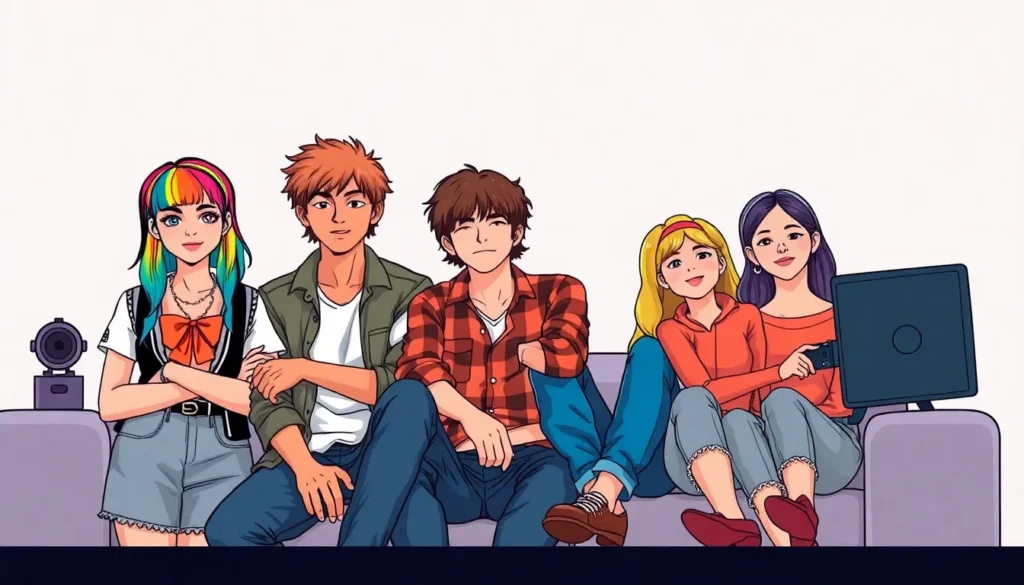
Pop culture reflects societal values and shifts, influenced by various trends and movements over time. Understanding its historical context reveals the dynamics of cultural transformation.
Major Influences Throughout Decades
The 1950s marked the rise of rock ‘n’ roll, symbolizing youth rebellion. In the 1960s, counterculture movements sparked a societal evolution, with music and art reflecting calls for peace and social justice. The 1970s introduced glam rock and disco, showcasing vibrant fashion trends. The 1980s embraced technology, leading to the prominence of MTV and music videos. By the 1990s, grunge and hip-hop emerged, mirroring discontent and diversity in society. The 2000s witnessed the rise of reality television and digital media, changing entertainment consumption. Each decade brought unique influences that shaped contemporary pop culture and laid the groundwork for future trends.
Case Studies in Pop Culture Evolution
The “Harlem Shake” phenomenon in 2013 serves as a prime example of viral trends. It transformed social media engagement through quickly produced videos driven by spontaneity. Similarly, superhero films evolved, gaining unprecedented popularity since the early 2000s. Franchises like Marvel expanded storytelling through interconnected narratives, captivating audiences worldwide. The rise of streaming services, such as Netflix, revolutionized content consumption patterns. This shift enabled binge-watching and altered traditional release strategies. Cultural moments surrounding significant events, like the Black Lives Matter movement, also illustrate pop culture’s adaptability. Artistic expressions addressing social justice resonated widely, reinforcing the connection between culture and societal issues.
The Role of Technology in Pop Culture Changes
Technology significantly alters the landscape of pop culture. Rapid advancements in digital platforms reshape how content is created and consumed.
Social Media Impact
Social media platforms like Twitter, Instagram, and TikTok drive pop culture trends effectively. Viral challenges and memes emerge almost overnight, captivating large audiences. Engagement fosters direct conversation between creators and fans, shaping trends in real time. In turn, users often become influencers, pushing boundaries and redefining mainstream culture. Hashtags enable niche communities to thrive, further amplifying voices that might otherwise go unheard. An excellent example is the “Ice Bucket Challenge,” which demonstrated social media’s power to raise awareness and funds for charitable causes.
Streaming Services Revolution
Streaming services revolutionize content delivery and consumption methods. Platforms such as Netflix and Hulu disrupt traditional broadcasting models. Binge-watching becomes a cultural norm, allowing viewers to consume entire seasons at their own pace. Original programming from these services garners critical acclaim and captures viewer attention globally. As a result, traditional movie theaters face competition, adapting offerings to retain audiences. The ability to access diverse content anytime and anywhere fosters a more inclusive cultural landscape. Notable shows like “Stranger Things” illustrate streaming as a catalyst for engaging storytelling and community building among fans.
Globalization and Pop Culture
Globalization influences pop culture considerably by enabling cultural exchange on an unprecedented scale. International media platforms facilitate access to diverse content, allowing audiences to experience traditions and entertainment from around the world.
Cultural Exchange through Media
Media serves as a bridge for cultural exchange, transforming how people interact with global narratives. Television shows, films, and music from different countries reach wider audiences, introducing new perspectives and art forms. For instance, popular K-dramas captivated millions outside South Korea, demonstrating the allure of diverse storytelling. Exposure to various cultural elements fosters appreciation and promotes understanding. This exchange helps dismantle stereotypes and invites dialogue between different people.
The Rise of International Trends
International trends thrive in a globally connected climate where ideas cross borders rapidly. From fashion to cuisine, culture absorbs influences from various regions, leading to new hybrid expressions. The popularity of Japanese anime and its impact on Western animation showcases this phenomenon. Social media accelerates the spread of these trends, enabling viral moments that capture global attention. Platforms like TikTok amplify international challenges, making cultural experiences accessible. The confluence of global tastes shapes a more inclusive landscape, prompting continuous exploration and innovation in pop culture.
The Impact of Pop Culture Changes on Society
Pop culture significantly shapes societal perceptions and behaviors. Its influence reflects evolving attitudes and values through its various expressions.
Shifts in Social Norms
Social norms undergo constant transformations driven by pop culture. Media representation of diverse identities cultivates greater acceptance and understanding among audiences. Increased visibility of LGBTQ+ characters in films and television programs fosters inclusivity. Trends like body positivity empower individuals to embrace their uniqueness, challenging conventional beauty standards. As language evolves, newer generations contribute fresh terms that redefine communication and interaction. Activism plays an essential role, with artists using their platforms to advocate for important causes. Such changes often spark necessary conversations, reinforcing the idea that pop culture is a mirror of societal progress.
Reflection of Current Issues in Media
Current issues frequently find their way into pop culture narratives. Documentaries addressing social justice, climate change, and mental health emerge, providing critical insights to audiences. Films and television shows cope with these themes by engaging viewers in meaningful dialogue. Superhero films often reflect contemporary dilemmas, as seen in recent depictions of morality ambiguous characters. Viral trends like the “Ice Bucket Challenge” illustrate the power of media in raising awareness for charitable causes. Increasingly, musicians incorporate social commentary into their lyrics, prompting fans to consider real-world implications. Pop culture not only entertains but also educates, fostering awareness and action within society.
Pop culture’s fluidity highlights its role as a mirror reflecting societal changes. As trends emerge and fade, they reveal deeper truths about collective values and aspirations. The intertwining of technology and cultural expression fosters an environment where creativity thrives and diverse voices are amplified.
With each shift in pop culture, there’s an opportunity for dialogue and growth. Whether through music, film, or fashion, these cultural phenomena challenge norms and inspire action. As audiences engage with evolving narratives, they not only consume entertainment but also participate in shaping the future of culture itself. The journey of pop culture is ongoing, promising new insights and innovations that continue to enrich society.