
Fashion icons have the power to shape trends and inspire generations. From timeless elegance to bold statements, these individuals redefine style and challenge the norms of their era. They don’t just wear clothes; they create movements and leave a lasting impact on the industry.
Throughout history, figures like Coco Chanel, Audrey Hepburn, and David Bowie have captivated audiences with their unique aesthetics and fearless self-expression. Their influence extends beyond the runway, permeating popular culture and inspiring countless fans to embrace their individuality. Understanding the essence of these fashion icons not only highlights their contributions but also reveals the evolving nature of style itself.
Overview of Fashion Icons
Fashion icons serve as pivotal figures in the evolution of style, embodying creativity and cultural significance. They set trends, challenge norms, and inspire generations. Coco Chanel revolutionized women’s fashion by introducing simpler shapes and casual elegance, transforming social perceptions of femininity. Audrey Hepburn, known for her timeless style, combined classic and contemporary elements, creating an enduring legacy through her roles and public persona.
David Bowie pushed boundaries, merging music and fashion, encouraging self-expression among fans. His bold looks ranged from flamboyant to minimalist, reflecting his versatile artistry. Other influential figures include Rihanna, who blends streetwear with high fashion, and Zendaya, recognized for her frequent style transformations that engage diverse audiences.
Fashion icons not only influence clothing trends but also impact cultural dialogues surrounding beauty, identity, and empowerment. They lead movements that promote individuality, demonstrating that personal style plays a significant role in self-identity. Collectively, these icons illustrate the ongoing dialogue between personal expression and societal expectations, leaving a lasting impression on the fashion industry.
Iconic Fashion Figures Throughout History
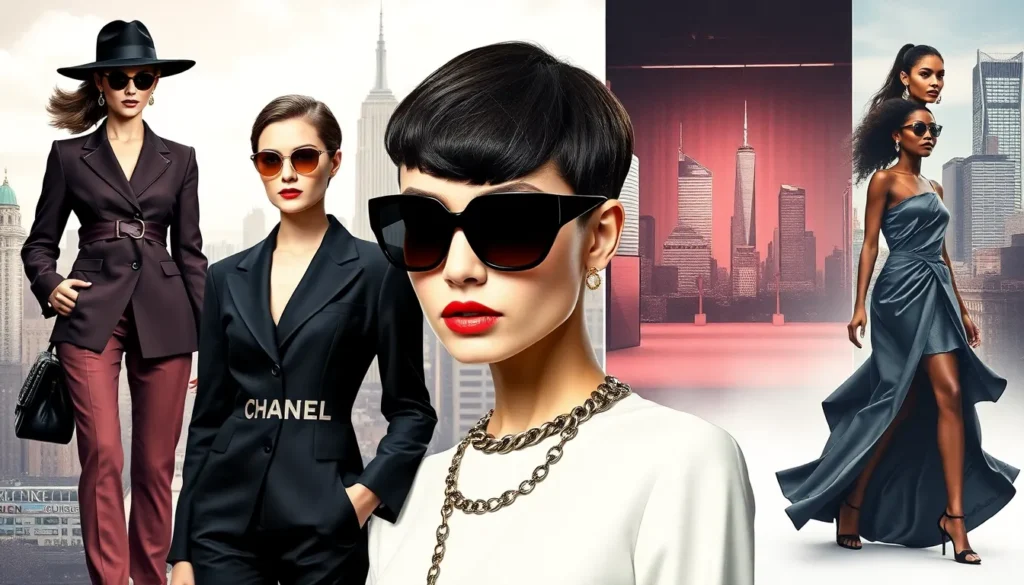
Fashion icons have significantly shaped the landscape of style, employing their influence to create lasting change. From groundbreaking designers to legendary models, each figure has left an indelible mark on the industry.
Influential Designers
- Coco Chanel transformed fashion by introducing the concept of casual elegance, emphasizing comfort and simplicity. Her iconic designs, such as the Chanel No. 5 perfume and the Chanel suit, continue to inspire modern fashion.
- Christian Dior revolutionized women’s fashion with the “New Look” in 1947, characterized by a cinched waist and full skirt. This silhouette redefined femininity and elegance, shaping post-war fashion and culture.
- Yves Saint Laurent pioneered ready-to-wear collections and infused menswear styles into women’s fashion. His tuxedo jacket for women redefined gender norms in design, establishing a new era of fashion freedom.
- Alexander McQueen challenged traditional aesthetics with his avant-garde designs. His theatrical runway shows and innovative techniques showcased a blend of artistry and technical mastery, inspiring designers worldwide.
- Karl Lagerfeld propelled Chanel into modern relevance, infusing contemporary elements while respecting its heritage. His creative vision revitalized the brand and solidified its status in the fashion elite.
Legendary Models
- Twiggy, the original supermodel of the 1960s, popularized the mod look with her distinctive pixie haircut and exaggerated lashes. She symbolized youth culture and remains a pivotal figure in modeling history.
- Naomi Campbell broke barriers as one of the first African American supermodels, embodying grace and versatility. Her presence on runways and in campaigns changed perceptions of beauty and diversity in the fashion industry.
- Cindy Crawford became a household name in the 1980s and 1990s, known for her iconic mole and all-American look. She not only dominated the runway but also expanded her influence into television and business.
- Kate Moss brought a new aesthetic with her waif-like figure and grunge style in the 1990s. Her enduring career exemplifies the evolution of the modern supermodel and the shifting ideals of beauty.
- Gigi Hadid represents a new generation of models, known for her social media presence and diverse collaborations. She has leveraged her influence to advocate for causes such as body positivity and inclusivity in fashion.
The Impact of Fashion Icons on Trends
Fashion icons play a critical role in shaping trends and influencing cultural movements. Their unique aesthetics and bold choices often redefine style, making lasting impacts on the fashion industry.
How They Shape the Fashion Industry
Fashion icons set the tone for seasonal trends with their distinctive styles. They introduce new silhouettes, colors, and materials, prompting designers to create collections that reflect their influence. Icons like Coco Chanel and Yves Saint Laurent pioneered styles that revolutionized women’s fashion, inspiring designers to adopt more innovative and inclusive approaches. Furthermore, styles popularized by icons often filter down to mainstream fashion, influencing street style, high-street retailers, and fast-fashion brands.
Cultural Influence and Representation
Fashion icons also shape cultural narratives and ideals. They bring representation to diverse audiences by showcasing various backgrounds, sizes, and identities. For example, Naomi Campbell and Rihanna have changed industry standards by promoting inclusivity and empowering women of all shapes and colors. Their visibility in fashion dialogues transforms societal norms, encouraging self-expression and challenging conventional beauty standards. Icons act as cultural ambassadors, using their platforms to advocate for social issues, fostering a deeper connection between fashion and cultural representation.
Fashion Icons in Modern Times
Fashion icons in modern times continue to shape the industry through their distinctive styles and cultural influence. They inspire creativity and set trends that resonate globally.
Contemporary Style Icons
Contemporary style icons like Rihanna, Zendaya, and Billie Eilish redefine fashion norms with their daring looks and individualistic approaches.
- Rihanna: Known for her bold ensembles and inclusive beauty brand, she mixes high fashion with street style, promoting diversity.
- Zendaya: Recognized for her elegant yet edgy choices, she often advocates for authentic representation in fashion, mixing classic and modern attire.
- Billie Eilish: Her oversized silhouettes and avant-garde aesthetic challenge traditional beauty standards, sparking conversations about body image and self-acceptance.
These icons not only highlight personal style but actively participate in movements promoting empowerment and equality in the fashion industry.
Social Media and the Rise of New Icons
Social media platforms significantly influence the emergence of new fashion icons. Platforms like Instagram and TikTok enable instant visibility, allowing personalities to cultivate a following based on their aesthetic.
- Influencers: Influencers such as Emma Chamberlain and Chiara Ferragni leverage social media to showcase unique styles that resonate with younger audiences.
- Online Communities: Online fashion communities encourage self-expression, prompting individuals to embrace their identities and styles freely.
- Real-Time Trends: Real-time engagement on social media helps disseminate trends quickly, promoting fresh looks and ideas from diverse voices.
The democratization of fashion through social media fosters a dynamic landscape where any individual can gain icon status based on authenticity and creativity.
Fashion icons play a vital role in shaping trends and cultural narratives. Their influence extends beyond mere aesthetics as they challenge norms and inspire self-expression. By promoting diversity and inclusivity, these figures foster a deeper connection between fashion and societal issues. As new icons emerge in the digital age, the landscape continues to evolve, allowing voices from all backgrounds to contribute to the dialogue. The impact of these icons is profound, illustrating how personal style can resonate with broader cultural movements. Fashion remains a dynamic canvas for creativity and empowerment, driven by the visionaries who redefine it.