
Pop culture, it’s the kaleidoscope of music, movies, memes, and madness that colors our daily lives. Whether you’re binge-watching the latest series or jamming to TikTok hits, it’s hard to ignore its influence. But what exactly is pop culture, and how has it evolved? Let’s jump into the vibrant world of pop culture topics, exploring its evolution, current trends, and the iconic figures steering the ship. Grab your popcorn: it’s time for an engaging ride.
The Evolution of Pop Culture
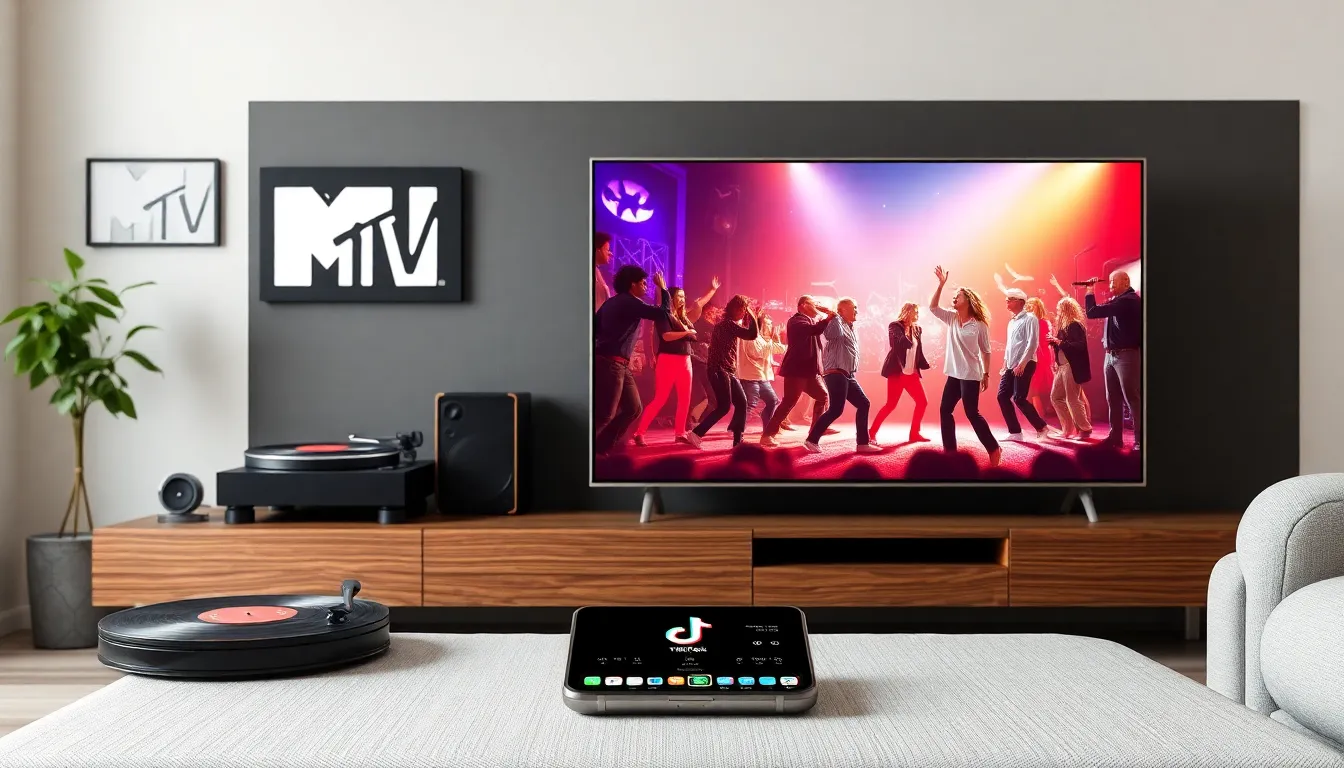
Pop culture is not a static concept: it’s a living, breathing entity that evolves like a chameleon. In the mid-20th century, television became a staple in American households, ushering in an era where pop culture could disseminate rapidly. The 1960s brought iconic figures like the Beatles, changing music forever. Then came the 1980s and 90s, the golden age of MTV, where music videos were cultural artifacts. Fast forward to the 21st century, and streaming services like Netflix redefine viewing habits. Today, pop culture encompasses everything from nostalgia-driven reboots to viral TikTok dances, demonstrating its endless capacity for reinvention.
Key Influences on Pop Culture
What drives pop culture? Several key influences shape the landscape. First, technology plays a pivotal role. The internet, social media, and streaming services have democratized content creation, allowing anyone to become a cultural commentator. Second, global interconnectedness allows diverse influences to meld. K-pop and anime, once niche, are now mainstream. Third, societal issues, like movements for social justice, find a powerful voice through pop culture, influencing trends and conversations. Each influence intertwines, creating a rich tapestry of ideas and expressions that define current culture.
Current Trends in Pop Culture
Hold onto your hats, because current trends in pop culture are dizzying. One major trend is nostalgia, reboots of beloved shows and movies flood our screens as studios realize that old is indeed gold. Think of the ‘Friends’ reunion or the resurgence of ’90s fashion. Also, audience participation thrives in the form of memes and challenges that create a sense of community. Streaming platforms dominate entertainment consumption, with binge-watching becoming a norm. And let’s not ignore the rise of influencers and content creators, who now wield significant power in shaping public opinion and pop culture narratives.
The Impact of Social Media
Social media isn’t just a tool for connection: it’s a main player in pop culture. Platforms like Instagram, TikTok, and Twitter serve as launchpads for trends. A song can go viral overnight thanks to a clever dance or meme. Consider the case of Lil Nas X’s “Old Town Road”, a song that initially gained traction on TikTok before dominating global charts. Also, social media allows for real-time feedback, meaning trends can come and go with astonishing speed. It’s no longer just about passive consumption: audiences interact directly with culture, influencing what happens next.
Iconic Figures and Their Contributions
Pop culture wouldn’t be what it is today without the contributions of iconic figures. Think about celebrities like Beyoncé, whose impact transcends music. She’s a cultural phenomenon, advocating for social justice and cultivating a strong community. Another example is Elon Musk, whose ventures in tech consistently make headlines and influence popular dialogue. Directors like Quentin Tarantino push cinematic boundaries, while influencers on platforms like Instagram shape fashion trends daily. Each of these figures brings something unique to the table, influencing not just cultural production, but also societal values.
Future Predictions for Pop Culture
What does the future hold for pop culture? Expect to see an even greater merging of technology and content creation. Virtual reality and augmented experiences could redefine how we consume media. Also, as diversity and inclusion become focal points, expect to see more authentic representation across all fields. The continued rise of global influences means that American pop culture will increasingly blend with international narratives, creating a rich mosaic of ideas. From emerging artists to novel storytelling techniques, the next wave of pop culture will be as unpredictably exciting as its predecessors.