
Soundtracks have a unique power to elevate stories, evoke emotions, and create lasting memories. From epic film scores to catchy tunes in beloved animated movies, these musical selections often become as iconic as the films themselves. They transport audiences into different worlds, amplifying the experience and leaving a profound impact long after the credits roll.
In recent years, popular soundtracks have not only defined cinematic moments but also influenced music charts and cultural trends. Whether it’s a haunting melody that lingers in the mind or an upbeat track that gets everyone dancing, soundtracks play a vital role in shaping how stories are perceived. Exploring the most popular soundtracks reveals the artistry behind the music that enhances our favorite films and shows, connecting fans across generations.
Overview of Popular Soundtracks
Popular soundtracks serve as a compelling complement to films, enhancing narratives and deepening emotional experiences. Memorable tracks become synonymous with the movies they accompany, solidifying their status in pop culture. Iconic examples include Star Wars, with its rousing orchestral themes by John Williams, and The Lion King, showcasing Elton John’s unforgettable songs.
Broadly, soundtracks span various genres, appealing to diverse audiences. From orchestral scores to contemporary pop hits, these soundtracks reflect cultural trends. For instance, the Guardians of the Galaxy soundtrack revived classic hits from the ’70s and ’80s, introducing them to new listeners.
Soundtracks frequently influence music charts. According to Billboard, numerous movie soundtracks reach top positions, demonstrating their commercial success. Popular soundtracks not only boost album sales but also create lasting cultural references, as seen with tracks from Frozen, which became viral phenomena.
Furthermore, the artistry within soundtracks extends beyond music. Collaborations among composers, artists, and producers enrich the creative process. For example, Hans Zimmer’s work in Inception exemplifies how sound design and musical composition intertwine to elevate the cinematic experience.
The impact of popular soundtracks goes beyond movies. They shape audience memories, influence music trends, and create enduring connections between fans and films.
Iconic Movie Soundtracks
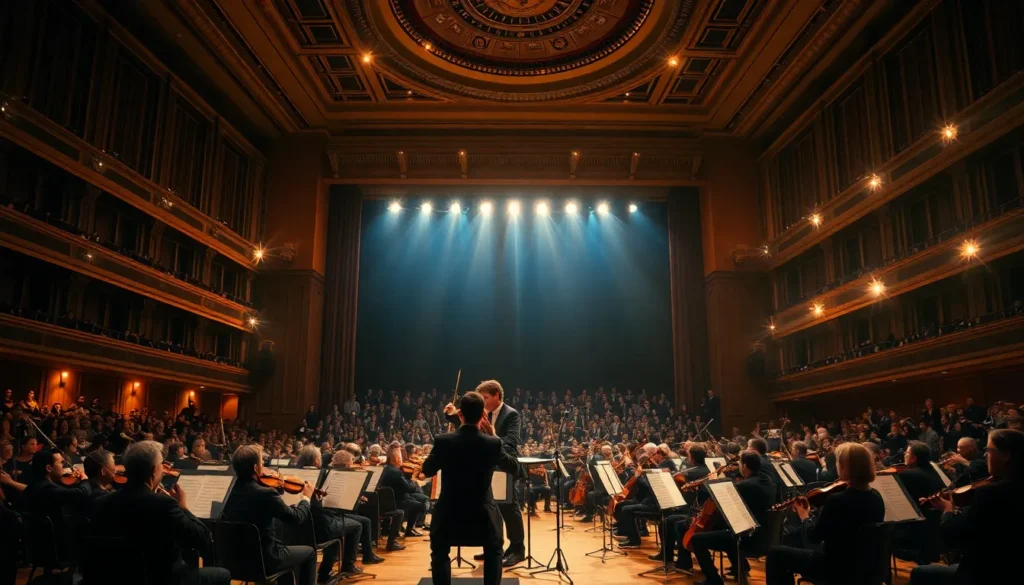
Iconic movie soundtracks play a vital role in defining cinematic experiences. They not only enhance storytelling but also create lasting emotional connections for audiences.
Classic Films
Classic films often feature soundtracks that remain timeless and influential. Examples include:
- Star Wars (1977): John Williams’ score defined the space opera genre. The main theme became an unforgettable cultural hallmark.
- The Wizard of Oz (1939): “Over the Rainbow,” performed by Judy Garland, established itself as one of the most iconic movie songs, evoking hope and nostalgia.
- Psycho (1960): Bernard Herrmann’s shrieking strings during the shower scene created a sense of dread that remains unparalleled in horror soundtracks.
- The Godfather (1972): Nino Rota’s haunting melody effectively captured the film’s themes of family and power, solidifying its status in cinematic history.
Contemporary Hits
Contemporary films feature soundtracks that showcase modern musical artistry. Notable examples include:
- Frozen (2013): “Let It Go,” performed by Idina Menzel, achieved global success, influencing music charts and sparking a cultural phenomenon.
- Guardians of the Galaxy (2014): The use of classic hits from the ’70s revived interest in retro music while enhancing the film’s nostalgic tone.
- La La Land (2016): Justin Hurwitz’s original compositions blended jazz and romance, winning multiple awards and resonating with audiences worldwide.
- A Star Is Born (2018): Lady Gaga’s “Shallow” captivated viewers, earning accolades for its emotional depth and vocal performance.
These soundtracks continue to shape cultural trends, showcasing the power of music in film and enhancing the overall viewer experience.
Popular Soundtracks in Television
Soundtracks in television play crucial roles, enhancing storytelling and enriching viewer experiences. Iconic themes and memorable scores often become hallmarks of popular series, resonating with audiences and solidifying their cultural impact.
Series that Shaped Music Trends
Television series often set music trends through distinctive soundtracks.
- Friends: The theme song “I’ll Be There for You” by The Rembrandts became an anthem for friendship, influencing pop culture.
- The O.C.: Its curated playlists introduced indie rock to mainstream audiences, driving sales of featured artists.
- Stranger Things: The synth-heavy score and classic 80s hits revived interest in retro music, resonating with diverse generations.
- Grey’s Anatomy: Featuring contemporary artists, its emotional tracks boosted the careers of various musicians, shaping the emotional landscape of TV soundtracks.
- Game of Thrones: Ramin Djawadi’s powerful orchestration created memorable musical motifs that became synonymous with key moments in the series.
Memorable Themes and Background Scores
Memorable themes and background scores contribute significantly to a show’s identity.
- The Simpsons: Danny Elfman’s iconic opening theme sets a playful tone, immediately recognized worldwide.
- The X-Files: Its haunting theme evokes mystery and suspense, solidifying the show’s unique atmosphere.
- Breaking Bad: The score blends diverse musical styles, reflecting the protagonist’s transformation, with notable use of original compositions and popular songs.
- Westworld: Ramin Djawadi creates compelling arrangements of modern songs, infusing a fresh perspective into classic tracks.
- Sherlock: The modern adaptation features a contemporary score that captures the essence of the characters and narrative arcs.
Television soundtracks not only enhance storytelling but also influence music trends, leaving lasting impressions on audiences and popular culture.
The Impact of Soundtracks on Popular Culture
Soundtracks significantly influence popular culture, shaping audience perceptions and music trends across various media. Their ability to evoke emotions and create memorable moments makes them essential in defining cinematic and television experiences.
Influence on Music Industry
Soundtracks substantially impact the music industry by affecting chart placements and promoting artists. Major soundtracks often propel songs to the top of music charts, creating opportunities for both established and emerging artists. For example, the soundtrack of A Star Is Born introduced Lady Gaga’s music to a broader audience, earning her several awards and hitting multiple charts worldwide. Additionally, Guardians of the Galaxy revitalized classic songs, propelling them back into the limelight and influencing contemporary playlists. Soundtracks serve as strategic marketing tools, capitalizing on the emotional connection between music and visual narratives to drive album sales and streaming activity.
Soundtracks and Fan Engagement
Soundtracks play a crucial role in enhancing fan engagement by fostering connections between audiences and their favorite films or series. Iconic themes create a sense of nostalgia and community among fans who bond over shared musical experiences. For instance, themes from series like Friends and Game of Thrones inspire sing-alongs and fan covers, enriching the viewer’s connection to the show. Soundtrack releases often create buzz on social media platforms, where fans discuss and share their favorite tracks. Furthermore, live concerts and events centered around popular soundtracks, such as orchestral performances of film scores, deepen fans’ appreciation and engagement with the art form, bridging the gap between music and storytelling.
Popular soundtracks play an essential role in shaping cinematic and television experiences. They not only enhance storytelling but also create emotional connections that resonate with audiences long after the credits roll. Through memorable melodies and iconic themes, soundtracks have the power to define moments in pop culture and influence music trends.
As fans continue to engage with these musical masterpieces, the impact of soundtracks will persist across generations. Whether through nostalgic tunes or contemporary hits, the artistry behind soundtracks remains a vital part of the entertainment landscape, bridging the worlds of music and storytelling in a way that captivates hearts and minds.