
Fake grass, often referred to as artificial turf or synthetic grass, has transformed outdoor spaces and sports fields alike. With its realistic appearance and low maintenance requirements, it’s become a popular choice for homeowners and businesses seeking a lush, green look without the hassle of traditional grass.
This innovative solution not only conserves water but also minimizes the need for pesticides and fertilizers. As more people discover the benefits of fake grass, understanding its various types and applications becomes essential. Dive into the world of artificial turf and explore what makes it an appealing alternative to natural grass.
Understanding Fake Grass
Fake grass, often called artificial turf or synthetic grass, refers to a man-made surface designed to mimic the appearance of natural grass. Various materials, such as polyethylene, polypropylene, and nylon, contribute to its realistic texture and color. It’s important to note that the quality of fake grass can vary significantly among different brands and products.
Artificial turf comes in two main types: infill and non-infill.
- Infill: Includes small granules made from materials like rubber or sand, providing cushioning and stability. This type is often used in sports fields due to its durability.
- Non-infill: Lacks additional materials, making it a lighter option suitable for residential lawns and outdoor spaces.
Fake grass is popular for several reasons:
- Low maintenance: Requires minimal upkeep compared to natural grass, eliminating the need for regular mowing or watering.
- Versatility: Used in a range of applications including residential gardens, commercial spaces, playgrounds, and sports facilities.
- Environmental impact: Offers sustainability benefits, notably in water conservation and reduced chemical use.
Homeowners and businesses increasingly favor synthetic grass due to its long-lasting nature and aesthetic appeal, contributing to landscapes that stay green year-round.
What Is Fake Grass Called?
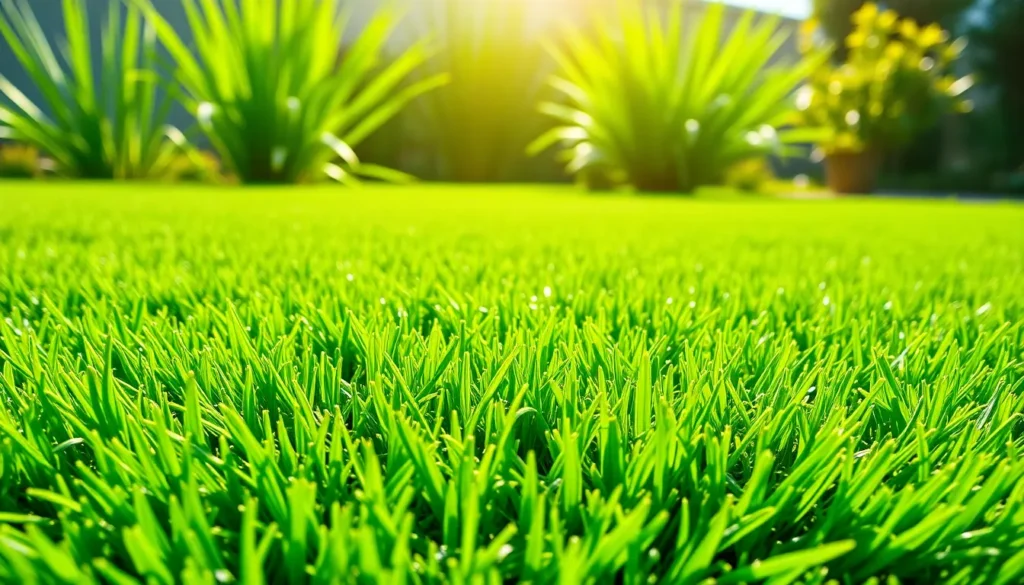
Fake grass is commonly referred to as artificial turf, synthetic grass, or faux grass. These terms highlight the various applications and qualities of this popular landscaping choice.
Different Terminology for Fake Grass
Artificial grass, synthetic turf, and fake turf represent terms used interchangeably in landscaping and sports. Each term emphasizes a specific aspect of this product:
- Artificial Grass: Highlights that the grass is not natural and showcases its design for aesthetics and low maintenance.
- Synthetic Turf: Often used in sports contexts, focusing on the engineered materials that replicate natural grass.
- Faux Grass: A casual term emphasizing the imitation aspect of the product, often preferred in residential settings.
Common Brand Names for Fake Grass
Several brands dominate the artificial grass market, each offering unique features and qualities. Notable names include:
- Four Seasons Turf: Known for its high durability and realistic appearance, making it suitable for both residential and commercial use.
- Turf Factory Direct: Provides a range of synthetic options, focusing on affordability without compromising quality.
- FieldTurf: Specializes in sports turf, known for its performance and safety specifications.
- SynLawn: Offers eco-friendly choices, emphasizing environmentally sustainable materials and production methods.
These brands represent a selection of the variety available in the artificial grass market, catering to different needs and preferences.
Benefits of Fake Grass
Fake grass offers numerous advantages for users, combining convenience and sustainability. Its growing popularity stems from these significant benefits.
Low Maintenance Requirements
Low maintenance requirements make fake grass an appealing option. Users enjoy the elimination of frequent mowing, watering, and fertilization. Fake grass retains its color and texture, requiring only occasional brushing to keep fibers standing upright. Unlike natural grass, it’s resistant to pests and disease, reducing the need for chemical treatments. Cost savings on water bills and gardening services add to its overall value.
Environmental Impact
Environmental impact plays a crucial role in the appeal of fake grass. Artificial turf promotes water conservation by not requiring irrigation, addressing water scarcity in many regions. Users avoid chemicals like pesticides and fertilizers that harm ecosystems, further reducing their environmental footprint. Additionally, synthetic grass can recycle plastic waste, contributing to sustainability efforts. Its longevity minimizes the need for replacement, preventing landfill contributions compared to natural grass alternatives.
Types of Fake Grass
Various types of fake grass exist, catering to different needs and preferences. Understanding the distinctions can help in choosing the right option for specific applications.
Materials Used
Artificial turf is primarily made from three types of materials:
- Polyethylene: This material offers a soft, natural feel, making it ideal for residential lawns and playgrounds. It provides excellent durability and UV resistance.
- Polypropylene: Often used in budget-friendly options, it’s less durable but suitable for light traffic areas like decorative lawns.
- Nylon: Known for its high strength and resilience, nylon is ideal for sports fields and areas with heavy foot traffic, as it maintains its shape well.
Styles and Textures
Fake grass comes in various styles and textures to mimic natural grass.
- Monofilament: This style features individual strands that create a realistic appearance, often used in residential settings.
- Fibrillated: This style includes slit fibers that enhance durability, making it suitable for commercial applications.
- Multi-color blades: Some artificial grass options include blades of varying shades to create a more natural look.
Each style caters to specific design needs and can enhance aesthetic appeal in both residential and commercial landscapes.
Fake grass has transformed landscaping options for both homeowners and businesses. Its versatility and eco-friendly benefits make it a compelling choice for those seeking a green solution without the upkeep of natural grass. With various materials and styles available there’s a type of artificial turf to suit every need.
As sustainability becomes increasingly important, the rise of synthetic grass offers a practical alternative that conserves water and reduces chemical use. Whether for a vibrant lawn or a durable sports field, fake grass continues to gain popularity as a smart investment in landscaping. The future of outdoor spaces looks greener with artificial turf paving the way.