
The 1960s were a whirlwind of change, bursting with creativity and cultural upheaval. Picture it: a decade where music wasn’t just background noise but the heartbeat of a generation. The youth were redefining identity and fashion, all while engaging in social revolutions. Think peace signs, bell-bottoms, and songs that still make us tap our feet today. In the chaotic atmosphere of protests, love-ins, and groundbreaking television, the 60s offered a rich tapestry of pop culture that laid the foundation for everything we experience today. Buckle up as we investigate into this iconic decade that redefined who we are.
The Rise of Youth Culture
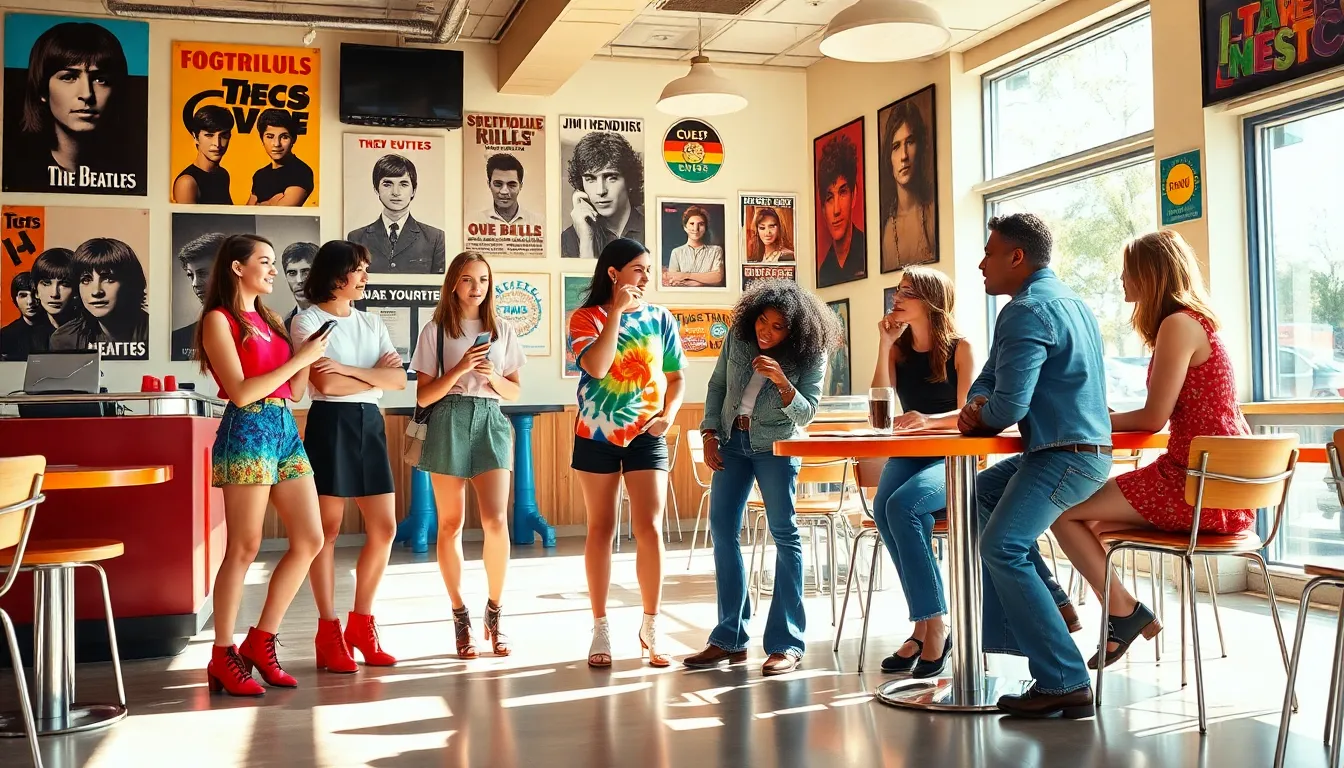
The 60s marked the rise of youth culture, where adolescents and young adults became a driving force in society. No longer content to follow in their parents’ footsteps, they began to define their own paths. This movement can be characterized by several defining features:
Defining Characteristics of the 60s Youth Movement
The youth of the 60s were characterized by a profound spirit of rebellion. They rejected traditional social norms, seeking instead to express their individuality. This was the era of free love and experimentation, where questioning authority wasn’t just encouraged, it was celebrated. Young people were more engaged in political issues, leading movements for civil rights and against the Vietnam War. A collective belief in peace and love overshadowed the decade’s turmoil, setting the stage for massive cultural shifts.
Role of Music in Shaping Identity
Music played a pivotal role in shaping the identity of 60s youth. Artists like Bob Dylan, The Beatles, and Jimi Hendrix weren’t just entertainers: they were cultural icons and voices of a generation. Their songs echoed the hopes and frustrations of the young crowd, often underscoring themes of love, war, and social consciousness. Whether it was the upbeat rhythms of Motown or the haunting melodies of folk music, the tunes were anthems that bonded a generation and gave them a voice.
Influence of Fashion Trends
Fashion wasn’t merely clothing in the 60s: it was a political statement. The miniskirt, popularized by Twiggy, symbolized liberation and was embraced not just in the U.K. but around the world. Tie-dye shirts and bell-bottoms became synonymous with the free-spirited attitude of the youth. Each fashion choice was a reflection of their beliefs in freedom and self-expression, illustrating that what one wore was as significant as what one said.
Key Events and Milestones
The 1960s were marked by a series of key events that shaped the landscape of pop culture and politics.
The Impact of the Civil Rights Movement
The Civil Rights Movement stood at the forefront of 60s activism, advocating for racial equality and justice. Key figures like Martin Luther King Jr. led marches and protests that not only sought to end segregation in the U.S. but also inspired artists and musicians who incorporated themes of equality into their works. Songs like “A Change Is Gonna Come” became anthems of hope, resonating deeply within both the black community and sympathetic allies.
Major Musical Festivals and Concerts
In 1969, Woodstock solidified its place in history as more than just a music festival: it became a symbol of hope, peace, and unity. Featuring iconic performances from artists like Janis Joplin and Santana, the festival attracted over 400,000 attendees. Similarly, events like The Monterey Pop Festival showcased emerging talents and highlighted the socio-political issues of the time through music.
Iconic Films and Television Shows
As the 60s unfolded, cinema and television reflected the decade’s evolving social commentary.
Cinematic Milestones of the Decade
The silver screen saw the release of groundbreaking films like “The Graduate” and “Easy Rider,” which challenged conventional storytelling and moral codes. These films explored themes of disillusionment and rebellion against societal expectations, capturing the zeitgeist effortlessly. Also, filmmakers like Stanley Kubrick and Martin Scorsese pushed creative boundaries, making their mark on the film industry that endures to this day.
Transformative TV Programs and Formats
Television also experienced significant transformation during the 60s. Shows like “The Andy Griffith Show” showcased a simpler, idealized version of American life, while series like “Star Trek” explored pressing social issues under the guise of science fiction. The debut of “The Ed Sullivan Show” became a launching pad for many iconic acts, including The Beatles, further bridging music and television culture.
Art and Literature in the 60s
Art and literature thrived during the 1960s, reflecting the complexities of the cultural upheaval of the time.
The Beat Generation and Beyond
The Beat Generation, with figures like Jack Kerouac and Allen Ginsberg, offered a counter-narrative to mainstream culture. These writers promoted spontaneity, free expression, and exploration of spirituality through their works. Their writings inspired a wave of artistic creativity that continued to influence literature and poetry for years.
Visual Arts and Cultural Commentary
In visual arts, artists like Andy Warhol transformed the landscape with pop art, challenging traditional notions of art through modern consumerism. Warhol’s works, including his famous Marilyn Monroe series, left a lasting impact, merging commercial and fine arts in ways that continue to resonate in today’s cultural discourse.
Legacy of 60s Pop Culture
The legacy of the 60s is still palpable in today’s society, influencing everything from fashion to music.
Enduring Influence on Modern Culture
The pop culture of the 60s reshaped how individuals view freedom, social justice, and expression. Many of the movements that began in this decade laid the groundwork for today’s society, from civil rights to music and fashion. Modern artists often pay homage to the sounds and styles of the 60s, proving that its influence remains strong.
Reflections in Contemporary Media
Today’s media often reflects the ideals and aesthetics of the 60s. From the resurgence of psychedelic colors in fashion to the revival of classic music styles, the essence of the 60s persists in contemporary culture, encouraging new generations to explore their own identities through the lenses of those who came before them.