
In today’s fast-paced world, workspace optimization has become essential for enhancing productivity and fostering creativity. As organizations adapt to new ways of working, they’re discovering that an efficient workspace can significantly impact employee satisfaction and overall performance. Whether it’s a cozy home office or a dynamic corporate environment, the right setup can make all the difference.
By focusing on elements like layout, ergonomics, and technology, businesses can create spaces that not only support their teams but also inspire innovation. Understanding the principles of workspace optimization can lead to a more engaged workforce and improved collaboration. This article explores practical strategies to transform any workspace into a hub of efficiency and creativity.
Understanding Workspace Optimization
Workspace optimization refers to the strategic design and arrangement of a working environment to maximize productivity, efficiency, and employee satisfaction. This concept plays a crucial role in both home and corporate settings, fostering an atmosphere conducive to collaboration and innovation.
Definition and Importance
Workspace optimization involves analyzing and modifying various elements of a workspace, including layout, furniture, technology, and lighting. Its importance lies in creating an environment that supports employees in performing their best. Effective workspace design leads to reduced distractions, improved focus, and better workflow, which ultimately boosts overall performance.
Key Benefits
- Enhanced Productivity
Optimized workspaces reduce clutter and distractions, allowing employees to concentrate better on their tasks.
- Improved Employee Satisfaction
Comfortable and well-designed workspaces increase worker morale and job satisfaction, leading to higher employee retention rates.
- Greater Collaboration
A thoughtfully arranged workspace promotes interaction among team members, fostering creativity and innovation.
- Increased Flexibility
Adaptive workspaces can accommodate various work styles, allowing employees to choose the environment that suits them best.
- Cost Efficiency
Efficient use of space can lower overhead costs by maximizing existing resources, reducing the need for additional office space.
- Health and Well-Being
Ergonomic furniture and adequate lighting contribute to better physical health and mental well-being, reducing work-related injuries and stress.
Strategies for Effective Workspace Optimization
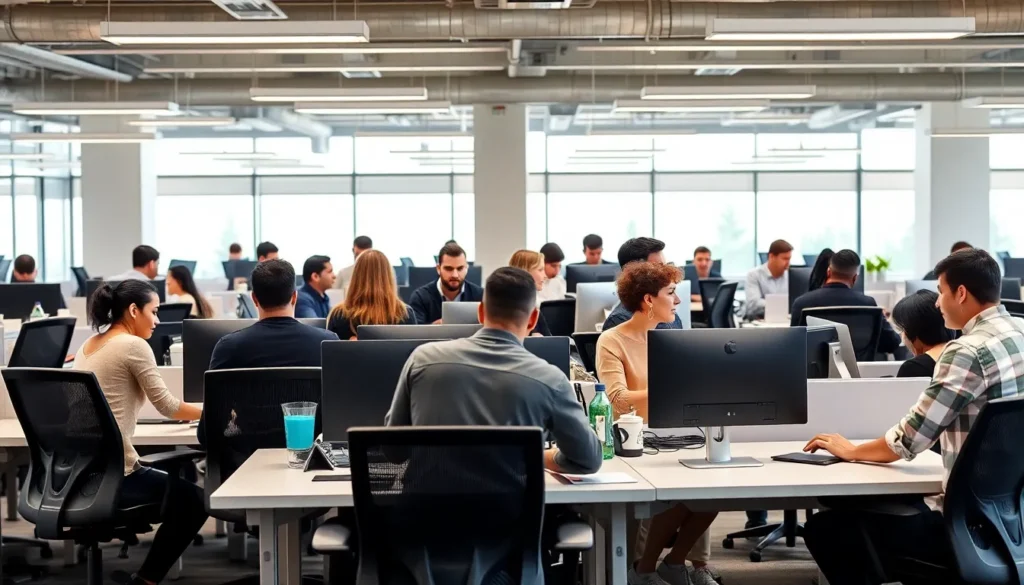
Effective workspace optimization involves strategic planning in layout and ergonomics to enhance productivity and employee satisfaction.
Layout Design
Layout design plays a crucial role in workspace optimization. It includes arranging desks and equipment to promote collaboration and flow. Key elements include:
- Open Spaces: Implementing open layouts fosters communication and teamwork, encouraging spontaneous discussions.
- Zoning: Creating distinct areas for specific tasks, such as quiet zones for focused work and collaborative spaces for teamwork, enhances efficiency.
- Traffic Flow: Designing pathways that minimize obstructions promotes easy movement and reduces distractions.
- Adjustable Furniture: Incorporating flexible workstations allows employees to customize their space, catering to individual preferences and tasks.
Ergonomics and Comfort
- Chair Selection: Choosing adjustable chairs with lumbar support enhances comfort, reducing back pain during extended hours of sitting.
- Desk Height: Utilizing desks at appropriate heights encourages proper posture while working, preventing musculoskeletal injuries.
- Monitor Position: Positioning monitors at eye level reduces neck strain and encourages a more natural sitting posture.
- Lighting: Implementing adjustable lighting options minimizes glare and eye strain, creating a more conducive work environment.
Technology and Tools for Optimization
Technology and tools significantly enhance workspace optimization by improving efficiency and streamlining processes. Implementing the right solutions fosters a productive work environment.
Software Solutions
Task management software such as Trello and Asana organizes projects, assigns tasks, and tracks deadlines. Communication platforms like Slack and Microsoft Teams facilitate real-time collaboration, reducing email reliance. File storage systems such as Google Drive and Dropbox allow easy access and sharing of documents, enhancing collaboration among team members. Time management applications like Clockify and Toggl help employees monitor productivity and manage work hours effectively. Integrating these tools promotes organization, clear communication, and efficient project execution.
Smart Devices
Smart devices improve workspace functionality and enhance user experience. Smart boards, such as Google Jamboard, enable interactive collaboration during meetings, making brainstorming more dynamic. Voice-activated assistants like Amazon Echo and Google Home streamline tasks, allowing users to manage schedules and control smart devices hands-free. Ergonomic keyboards and mouse devices reduce strain during long work hours, promoting better health. Adjustable smart lighting systems adapt to user preferences, supporting comfort and focus. These devices contribute to an optimized workspace by facilitating interactions and enhancing well-being.
Measuring the Impact of Workspace Optimization
Measuring the impact of workspace optimization relies on specific metrics that reflect productivity and employee well-being. Quantifying these metrics enables organizations to assess the effectiveness of their workspace strategies.
Productivity Metrics
Productivity metrics gauge the effectiveness of workspace optimization initiatives. Key indicators include:
- Output per Employee: Tracking the amount of work completed by each employee provides insights into productivity levels.
- Task Completion Rates: Monitoring how quickly tasks are finished helps evaluate workflow efficiency.
- Quality of Work: Assessing the caliber of completed projects indicates the impact of workspace environment on performance.
- Time on Task: Measuring the time spent on primary responsibilities reveals potential distractions and inefficiencies.
- Utilization Rates: Calculating how often workspaces and resources are used helps determine the effectiveness of layout and design.
Organizations can analyze these metrics regularly to identify areas for improvement and celebrate successes in enhancing productivity.
Employee Well-being
Employee well-being metrics assess how workspace optimization affects workers’ health and satisfaction. Important factors include:
- Job Satisfaction Surveys: Collecting feedback on workspace features reveals employee perceptions and satisfaction levels.
- Absenteeism Rates: Monitoring absenteeism can indicate the effectiveness of ergonomic designs and wellness initiatives.
- Psychological Well-being: Utilizing mental health scales helps gauge the impact of workspace layout on stress and overall happiness.
- Physical Health Metrics: Tracking health issues related to workspace design, such as musculoskeletal disorders, informs ergonomic evaluation.
- Engagement Levels: Measuring employee engagement through performance feedback reflects the overall atmosphere and satisfaction in the workspace.
Regular assessment of these well-being metrics supports continuous improvement in creating a conducive and supportive work environment.
Optimizing workspaces is essential for fostering productivity and creativity in any environment. By strategically designing layouts and incorporating ergonomic principles alongside the right technology, organizations can create spaces that inspire and engage employees.
Regularly assessing productivity and well-being metrics ensures that these workspaces continue to meet the evolving needs of teams. As organizations invest in workspace optimization, they not only enhance employee satisfaction but also drive overall performance and innovation.
Embracing these strategies can lead to a more dynamic and efficient work environment that benefits everyone involved.