
Ever tried to work from home and ended up on a quest to find the perfect snack? Or maybe you found yourself binge-watching that show instead of finishing your project? Don’t worry: you’re not alone. Working from home can feel like trying to herd cats while riding a unicycle. Yet, with the right productivity strategies, it can transform from chaos to comfort, and that’s where these tips come in. Here’s how to turn your home into a productivity powerhouse without losing your mind (or your snacks).
Establish a Dedicated Workspace
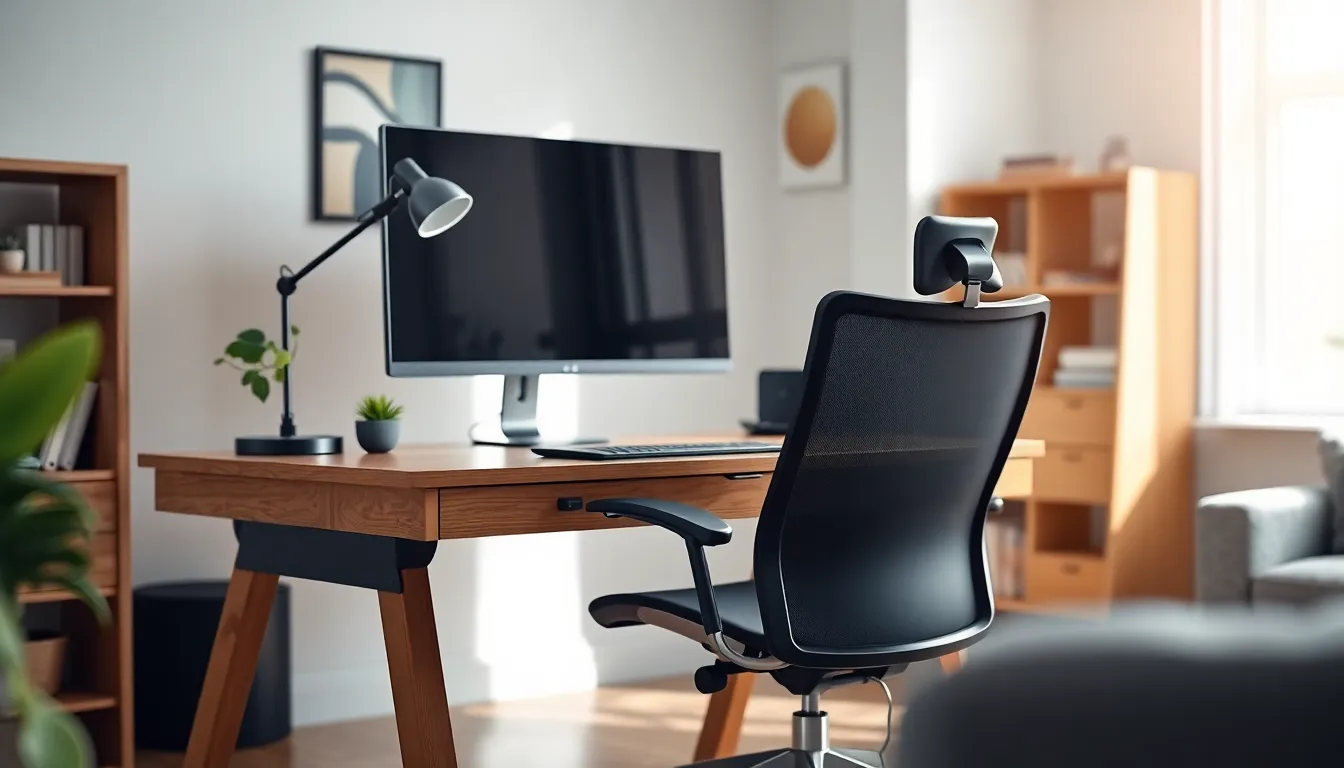
Designing Your Home Office
Creating a distinct workspace is essential for productivity. Choose a location in your home that is free from distractions. This could be a spare room, a corner of your living room, or even a quiet nook in your bedroom. Consider investing in a desk and chair that suit your style while promoting productivity.
Add personal touches like plants or artwork to spark joy. Decorating can boost morale and keep motivation high.
Ergonomics and Comfort
Don’t let comfort go out the window. It’s crucial to set up your workspace ergonomically. Ensure your monitor is at eye level and your chair supports good posture. Opt for a chair that encourages a straight back. Equipment like footrests can enhance comfort and prevent strain. Make sure that your workspace allows movement: you might want to stand or stretch every now and then. Feeling good physically fuels mental focus.
Minimizing Distractions in Your Environment
Setting Boundaries with Family and Roommates
One of the biggest challenges of working from home is managing interactions with family or housemates. Establishing clear boundaries can help. Communicate your work hours and make sure they understand the importance of minimizing interruptions. Using visual cues like a ‘Do Not Disturb’ sign can also help signal when you need focus.
Using Technology to Your Advantage
Productivity Tools and Apps
In the digital age, a plethora of tools can streamline productivity. Apps like Trello, Asana, or Notion can help in organizing tasks. They provide clarity on what needs to be done in a fun, interactive way. Getting familiar with them can drastically improve efficiency.
It’s not just about organization: consider tools for focus like Pomodoro timers, which break your time into manageable chunks, allowing you to focus in intervals.
Time Management Techniques
Time blocking can be a game-changer. Allocate specific hours to different tasks throughout your day. This method prevents the overwhelming feeling of endless to-do lists. Consider employing strategies like the Eisenhower Matrix to prioritize tasks based on urgency and importance.
Creating a Daily Routine
Scheduling Regular Breaks
No one can work at full throttle all day long. Creating a daily routine that includes scheduled breaks keeps burnout at bay. Set aside time to step away from your desk: take a walk or grab a cup of coffee. These breaks can rejuvenate the mind and help maintain higher levels of focus throughout the day.
Incorporating Exercise and Movement
Physical activity can boost your mood and energy levels. Whether it’s yoga, a quick home workout, or just a brisk walk, integrate movement into your daily routine. Not only does this keep your body healthy, but it also sharpens your mind, enhancing overall productivity.
Staying Connected with Colleagues
Virtual Meetings and Check-ins
Who says remote work is isolating? Regular virtual meetings can save that team spirit. Scheduling check-ins fosters connection, accountability, and collaboration. Consider making these meetings engaging and interactive, everyone loves a good icebreaker. It can ease feelings of isolation and help build camaraderie, even from afar.
Collaboration Tools for Team Communication
Using platforms like Slack or Microsoft Teams creates a lively digital workspace. They allow for instant messaging and file sharing, keeping communication flowing and tasks transparent.
Maintaining Work-Life Balance
Setting Clear Work Hours
Establishing clear work hours is vital for separating work life from home life. Create a schedule and make it known to both yourself and your housemates. This sets a clear expectation and helps your brain switch into ‘work mode’ and ‘home mode’ with ease.
Unplugging After Work
Finally, don’t forget to unplug at the end of the day. Just as one shuts down a computer, it’s essential to mentally disconnect from work. Use this time to enjoy hobbies, spend time with family, or simply relax. Balancing work and life ensures greater productivity when you are working.