Navigating the world of education today feels a bit like trying to teach a cat to fetch, chaotic, unpredictable, and at times, utterly baffling. With a plethora of challenges confronting educators, students, and policymakers alike, it’s crucial to spotlight the pressing issues that shape our classrooms. From funding disparities to mental health concerns, the landscape of education is in constant flux. So, grab your favorite learning tool (maybe it’s a snack), and let’s jump into the key issues impacting education right now.
Funding Disparities
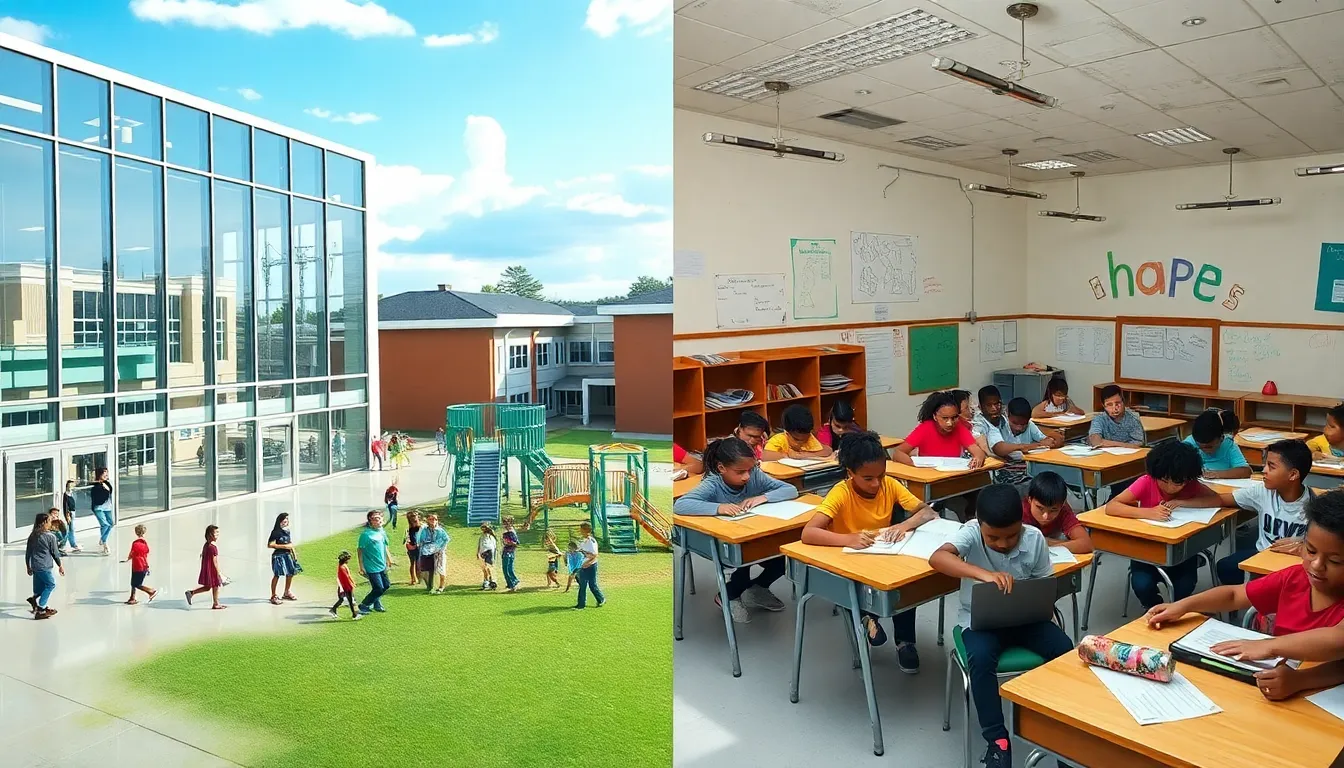
One of the most glaring challenges in today’s education landscape is the issue of funding disparities. Schools in affluent areas often enjoy a wealth of resources, from modern facilities to advanced technological tools. In stark contrast, schools in low-income communities struggle with crumbling buildings and outdated materials. This imbalance creates a glaring gap in the quality of education that students receive.
The reliance on local property taxes has compounded this problem. Schools in wealthier neighborhoods receive a greater share, leaving others to scrape by with less than they need. To address these inequities, many advocates argue for a more equitable funding model that ensures all students, regardless of their zip code, have access to a high-quality education. Everyone deserves the same shot at success, right?
Impact of Technology on Learning
In today’s digital age, technology is both a blessing and a curse. On one hand, it has the potential to enhance learning, providing students with access to a wealth of information at their fingertips. Online resources and virtual classrooms offer flexibility that traditional methods cannot match. But hold on, there’s a flip side to this coin.
Many students lack the necessary devices or internet connectivity to make the most of these technological advancements. The digital divide can create obstacles for those from lower-income backgrounds, hindering their educational growth. Besides, excessive screen time raises concerns about students’ attention spans and social skills. Finding the right balance between tech use and traditional learning methods is essential to nurturing well-rounded learners.
Teacher Shortages and Retention
Teacher shortages are becoming an alarming trend in education today. It’s no secret that the teaching profession can be demanding, leading many talented educators to leave the field altogether. Long hours, low pay, and high-stakes accountability can contribute to burnout, making it hard to retain skilled teachers.
The importance of experienced educators acts as the backbone of any education system. When schools cannot keep these professionals, student learning suffers. Efforts to improve working conditions and offer competitive salaries are essential to attracting and maintaining a strong teaching workforce. Teachers shape the future of our kids, and investing in them is investing in society.
Standardized Testing and Assessment
Standardized testing remains a contentious issue in education. While these assessments aim to measure student learning and accountability, critics argue that they often fall short. Many believe that high-stakes testing focuses too much on rote memorization rather than critical thinking and problem-solving skills, skills students truly need in real life.
Also, the pressure to perform can be overwhelming for students, leading to anxiety and undermining their overall educational experience. As the conversation evolves, educators and policymakers are exploring alternative assessment methods that emphasize a student’s holistic development. After all, education should be about growing minds, not just numbers.
Equity and Access to Education
Equity and access to education go hand in hand in today’s society. Every student deserves an equal opportunity to learn, yet barriers often prevent this ideal from becoming a reality. These barriers can be socio-economic, cultural, or geographical, creating systemic inequalities.
For instance, students from minority backgrounds may face discrimination that impacts their educational experience or have fewer mentors to guide them through the college application process. Efforts to dismantle these barriers are essential to create a more inclusive educational environment. Ensuring that all students have access to quality education is not just a moral obligation, it’s crucial for the growth of our community.
Mental Health and Well-Being
The mental health of students has gained considerable attention in recent years, and for good reason. Education can be stressful, academic pressures, social dynamics, and the constant push to achieve can weigh heavily on young minds. Many educators are recognizing the importance of mental health support in schools as part of a well-rounded education.
Social-emotional learning programs aim to equip students with the skills to manage their emotions, set goals, and foster positive relationships. Schools need to provide not just academic resources but also nurturing environments where students feel safe and supported. This holistic approach can significantly enhance learning outcomes and cultivate resilient individuals.
Curriculum Relevance and Inclusivity
Curriculum relevance and inclusivity are at the heart of effective education. If students can’t see themselves in what they’re learning, it makes it difficult to engage. A curriculum that reflects diverse perspectives and experiences not only enriches the learning experience but also promotes critical thinking.
Subjects like history can often neglect the contributions of various cultures, leading to a narrow understanding of the world. Updating curricula to include diverse narratives fosters inclusivity, helps students relate better to material, and prepares them for an increasingly diverse society. After all, the more perspectives, the richer the dialogue.