
Education should be the great equalizer, right? In theory, yes, but in practice, it’s more like a marathon where some kids start in the back of the pack while others have a head start. The disparity in educational access, teacher shortages, outdated curricula, the mental health crisis among students, and technological gaps are just a few hurdles. If you think you’ve seen it all, buckle up: we’re diving headfirst into the not-so-glamorous world of today’s education problems. Spoiler alert: it’s a bit of a mess, but understanding these issues is the first step toward real change.
Inequality in Access to Education
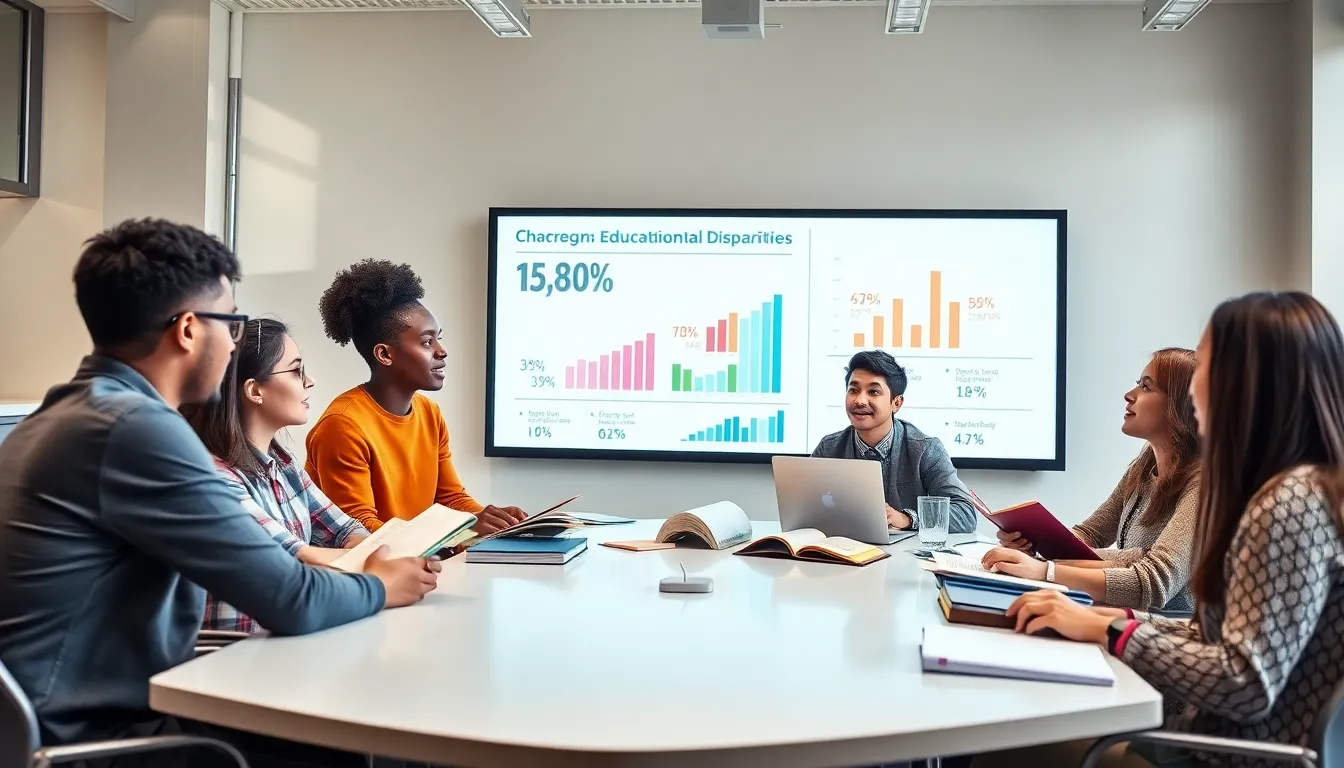
Funding Disparities
When it comes to education, money talks. Sadly, it often speaks volumes about inequality. Schools in affluent areas enjoy better resources, newer facilities, and experienced teachers, while those in underfunded districts scrape by. According to recent studies, a child’s zip code can significantly determine their educational quality. This disparity creates a cycle of disadvantage that impacts not just educational outcomes but the entire community’s socioeconomic health.
Geographic Barriers
Distance makes the heart grow fonder, but when it comes to education, it often just creates barriers. Students living in rural areas face significant challenges accessing quality educational resources, from advanced placement courses to extracurricular activities. Meanwhile, urban students may contend with overcrowded schools and limited options. These geographical challenges affect everything from academic performance to college readiness.
Socioeconomic Factors
Socioeconomic status can limit a student’s potential enormously. Students from low-income families frequently face multiple challenges, such as limited access to educational materials and nutritious meals. Studies show that these factors can significantly impact cognitive development and academic performance, perpetuating a cycle of poverty. If education is the key, many students are still searching for the lock.
Teacher Shortages and Retention Issues
Recruitment Challenges
Who wants to become a teacher these days? With teacher shortages reaching critical levels across the nation, recruitment has become a challenging job. Many qualified individuals shy away from the profession due to low pay, lack of respect, and overwhelming workloads. Schools often find themselves filling vacancies with temporary staff or substitutes, eventually affecting the quality of education.
Burnout and Job Satisfaction
Burnout is the name of the game in the teaching profession. Long hours, limited resources, and the pressure to meet standardized testing requirements can take a toll on even the most dedicated educators. Many teachers report feeling undervalued and overworked, leading to an alarming rate of attrition. A happy teacher usually leads to a happy classroom, but that seems to be slipping away rapidly.
Curriculum Relevance and Rigor
Outdated Educational Models
Education shouldn’t be a time capsule. But, many schools cling to outdated educational models that fail to prepare students for the realities of modern life. Rote memorization and standardized tests dominate, often sidelining creativity and critical thinking. Students are left wondering how ancient history or long division will apply to their lives as they face a rapidly changing job market.
Lack of Critical Life Skills
What about teaching kids to adult? Education often neglects essential life skills, such as financial literacy, emotional intelligence, and practical problem-solving. These are the skills students need to thrive in a complex world, yet they’re often overshadowed by academic requirements. Parents and educators both recognize these gaps, yet school curricula don’t always evolve accordingly, leaving students ill-equipped to tackle everyday challenges.
Mental Health and Student Well-being
Stigma Around Mental Health
Mental health is still stigmatized, and it’s a significant issue in schools. Students are often reluctant to seek help for their mental health struggles, fearing judgment or ridicule from peers and adults alike. This stigma prevents these individuals from addressing their issues, which can lead to exacerbated problems. For schools to function as safe spaces, they need to promote open dialogues about mental health and provide appropriate resources.
Insufficient Support Systems
Given the rising rates of anxiety and depression among students, support systems are more critical than ever. But, many schools lack adequate mental health professionals to meet the demand. Counselors are often stretched thin, handling an overwhelming number of students, which limits the effectiveness of the support offered. Investing in mental health resources is an urgent need if we wish to see improved educational outcomes.
Technological Disparities
Access to Digital Resources
The digital divide is a real issue that compounds educational inequalities. Many students lack access to essential technology and reliable internet, making it difficult to complete assignments or conduct research. In a world that increasingly relies on digital platforms, schools need to ensure all students have what they need to succeed.
Impact of Remote Learning
The pandemic forced education to pivot rapidly to online learning, and not every student was prepared for that leap. Remote learning exposed significant gaps in both resources and teacher training. While some students thrived in this setting, many struggled without the structure of in-person classes or the necessary technology. As we move forward, understanding these diverse experiences is essential for developing a more inclusive educational environment.