
Hemorrhoids can be an uncomfortable and embarrassing issue for many. One of the less discussed symptoms is mucus discharge, which can add to the distress. Understanding how to manage this condition is crucial for improving quality of life and regaining comfort.
In this article, readers will discover effective strategies to stop hemorrhoid mucus discharge. From lifestyle changes to home remedies, these solutions aim to alleviate discomfort and promote healthier bowel habits. By addressing the root causes, individuals can take control of their symptoms and enhance their overall well-being.
Understanding Hemorrhoid Mucus Discharge
Hemorrhoid mucus discharge is a common and uncomfortable symptom of hemorrhoids. Understanding hemorrhoids and their causes can aid in managing this condition effectively.
What Are Hemorrhoids?
Hemorrhoids are swollen veins in the lower rectum or anus. They can occur internally or externally and cause symptoms such as pain, itching, and bleeding. Most individuals experience hemorrhoids due to increased pressure in the rectal area, which may result from factors like prolonged sitting, straining during bowel movements, or chronic constipation.
Causes of Mucus Discharge
Mucus discharge from hemorrhoids occurs as the body produces mucus to lubricate the rectum. Common causes of this discharge include:
- Inflammation: Inflamed hemorrhoids can lead to excess mucus production.
- Straining: Straining during bowel movements can irritate hemorrhoids, causing mucus release.
- Infections: Bacterial infections can increase mucus secretion as part of the body’s response.
- Dietary Factors: Low-fiber diets can contribute to constipation, resulting in mucus discharge.
By identifying these causes, individuals can take steps to manage their symptoms effectively.
Symptoms of Hemorrhoid Mucus Discharge
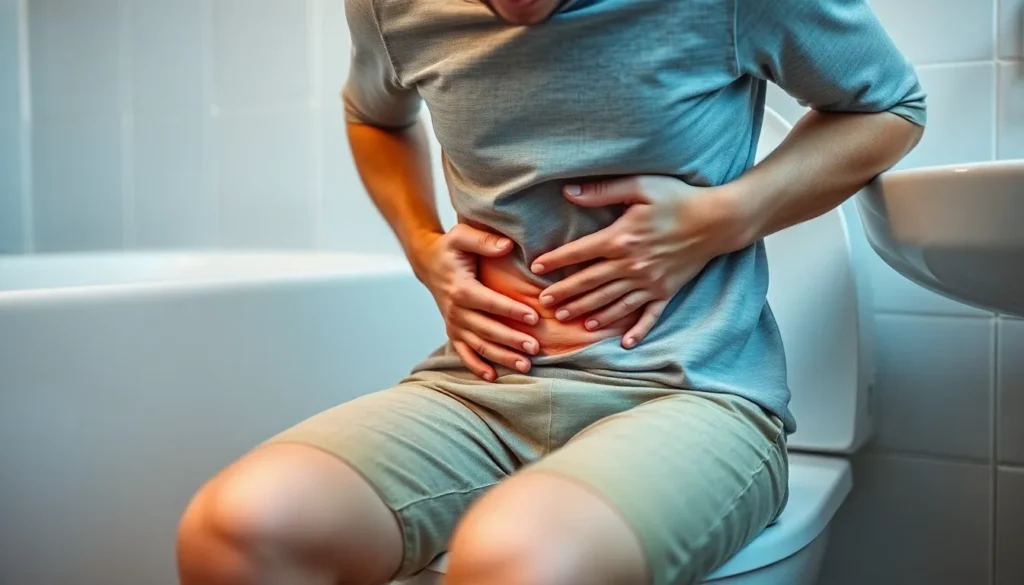
Hemorrhoid mucus discharge presents several identifiable symptoms. Recognizing these symptoms helps individuals assess their condition accurately and decide on the necessary steps for management.
Identifying the Symptoms
- Mucus Presence: Noticeable discharge of mucus from the anus, often occurring alongside other symptoms.
- Itching: Itchy sensations around the anal area, frequently linked to moisture from mucus.
- Discomfort: General discomfort in the rectal region, often intensifying during bowel movements.
- Pain: Persistent or intermittent pain during or after defecation, typically accompanying inflammation.
- Bleeding: Presence of bright red blood on toilet paper or in the stool, which often signifies hemorrhoid irritation.
- Swelling: Visible swelling near the anus, indicating inflamed hemorrhoids.
When to Seek Medical Help
- Persistent Symptoms: If symptoms persist longer than a week despite home management efforts.
- Severe Pain: Experiencing intense pain that disrupts daily activities warrants medical consultation.
- Increased Bleeding: Noticing significant blood loss or changes in frequency or appearance of stool.
- Fever: Developing a fever alongside hemorrhoid symptoms may indicate an underlying infection.
- Symptoms of Infection: Experiencing redness, warmth, or additional swelling indicates possible infection and requires evaluation by a healthcare professional.
Effective Home Remedies
Utilizing home remedies offers a natural approach to managing hemorrhoid mucus discharge. Individuals can implement specific dietary changes and lifestyle modifications to alleviate symptoms effectively.
Dietary Changes
Incorporating a high-fiber diet aids in reducing hemorrhoid mucus discharge. High-fiber foods, such as fruits, vegetables, whole grains, and legumes, promote regular bowel movements and prevent straining. Drinking plenty of water, ideally 8-10 glasses daily, keeps stools soft and easier to pass. Avoiding processed foods and excessive dairy helps decrease inflammation. Implementing probiotics, found in yogurt or supplements, supports gut health and may reduce mucus production.
Lifestyle Modifications
Adopting certain lifestyle changes enhances hemorrhoid management. Engaging in regular physical activity, such as walking or swimming, promotes healthy bowel function and reduces pressure on pelvic veins. Establishing a consistent bathroom routine encourages bowel regularity and minimizes the urge to strain. Practicing proper toilet habits, like sitting comfortably and avoiding prolonged sitting, also aids in reducing pressure. Stress management techniques, such as yoga or meditation, can lessen overall abdominal tension, potentially decreasing mucus discharge.
Medical Treatments
Medical treatments play a significant role in alleviating symptoms associated with hemorrhoid mucus discharge. These options range from over-the-counter solutions to prescription medications, providing various avenues for relief.
Over-the-Counter Options
Over-the-counter options offer immediate relief for hemorrhoid symptoms. Common products include:
- Topical creams: Hydrocortisone and witch hazel creams reduce inflammation and soothe itching.
- Suppositories: Glycerin or medicated suppositories ease discomfort by softening stool and providing lubrication.
- Pain relievers: Non-steroidal anti-inflammatory drugs (NSAIDs) like ibuprofen can minimize pain and swelling.
These products can significantly improve comfort levels and reduce mucus discharge associated with hemorrhoids.
Prescription Medications
Prescription medications might be necessary for more severe cases. Available options include:
- Topical nitrates: Medications like nitroglycerin help relax anal sphincter muscles, alleviating pain and reducing mucus.
- Oral medications: Corticosteroids prescribed for short-term use can help decrease inflammation and associated symptoms.
- Sitting baths with medicated solutions: Such baths can enhance healing and reduce irritation around the anal area.
Consulting a healthcare professional for these medications is crucial to ensure appropriate treatment tailored to individual conditions.
Preventive Measures
Preventive measures can significantly reduce hemorrhoid mucus discharge and improve overall bowel health. By adopting healthy daily habits and implementing long-term lifestyle changes, individuals can effectively manage and mitigate symptoms.
Daily Habits to Adopt
- Increase fiber intake: Consuming 25-30 grams of fiber daily from sources like fruits, vegetables, whole grains, and legumes promotes regular bowel movements and prevents straining.
- Stay hydrated: Drinking 8-10 glasses of water each day helps soften stool and facilitates easier passage.
- Practice good hygiene: Cleaning the anal area gently after bowel movements, using unscented wipes or warm water, reduces irritation and discomfort.
- Avoid prolonged sitting: Taking breaks during extended sitting periods prevents additional pressure on the rectal area, reducing the risk of inflammation and mucus discharge.
- Implement a bowel routine: Establishing a regular bathroom schedule encourages the body to develop a consistent pattern, minimizing the likelihood of straining.
Long-term Lifestyle Changes
- Engage in regular exercise: Aiming for at least 150 minutes of moderate aerobic activity weekly improves digestive health and reduces the risk of constipation.
- Maintain a healthy weight: Achieving and sustaining a healthy weight minimizes pressure on the pelvic region, positively impacting hemorrhoid symptoms.
- Limit processed foods: Reducing high-fat, low-fiber foods can prevent digestive issues that contribute to hemorrhoids and mucus discharge.
- Quit smoking: Abstaining from tobacco products may improve overall circulation and reduce the risk of complications related to hemorrhoids.
- Manage stress: Employing stress-relief techniques, such as meditation or yoga, can enhance emotional well-being and support healthier bowel function.
Managing hemorrhoid mucus discharge requires a comprehensive approach that combines lifestyle changes and medical treatments. Individuals can significantly improve their quality of life by adopting a high-fiber diet staying hydrated and maintaining a routine. Recognizing symptoms early and seeking medical advice when necessary ensures timely intervention and effective relief.
Incorporating preventative measures into daily habits can also lead to long-term benefits. By focusing on overall digestive health and making informed choices, individuals can take control of their symptoms and enhance their well-being. With the right strategies in place, it’s possible to minimize discomfort and regain confidence in daily activities.