
In the complex world of healthcare, the education of nurses has emerged as a crucial element in securing quality patient care. Imagine a place where textbooks meet simulation labs, and aspiring nurses juggle anatomy lessons with the latest technology enhancements. That’s right, the landscape of nursing education is transforming like never before. With an array of programs, emerging technologies, and pressing challenges, let’s jump into how nursing education is navigating this exhilarating journey today.
The Evolution of Nursing Education
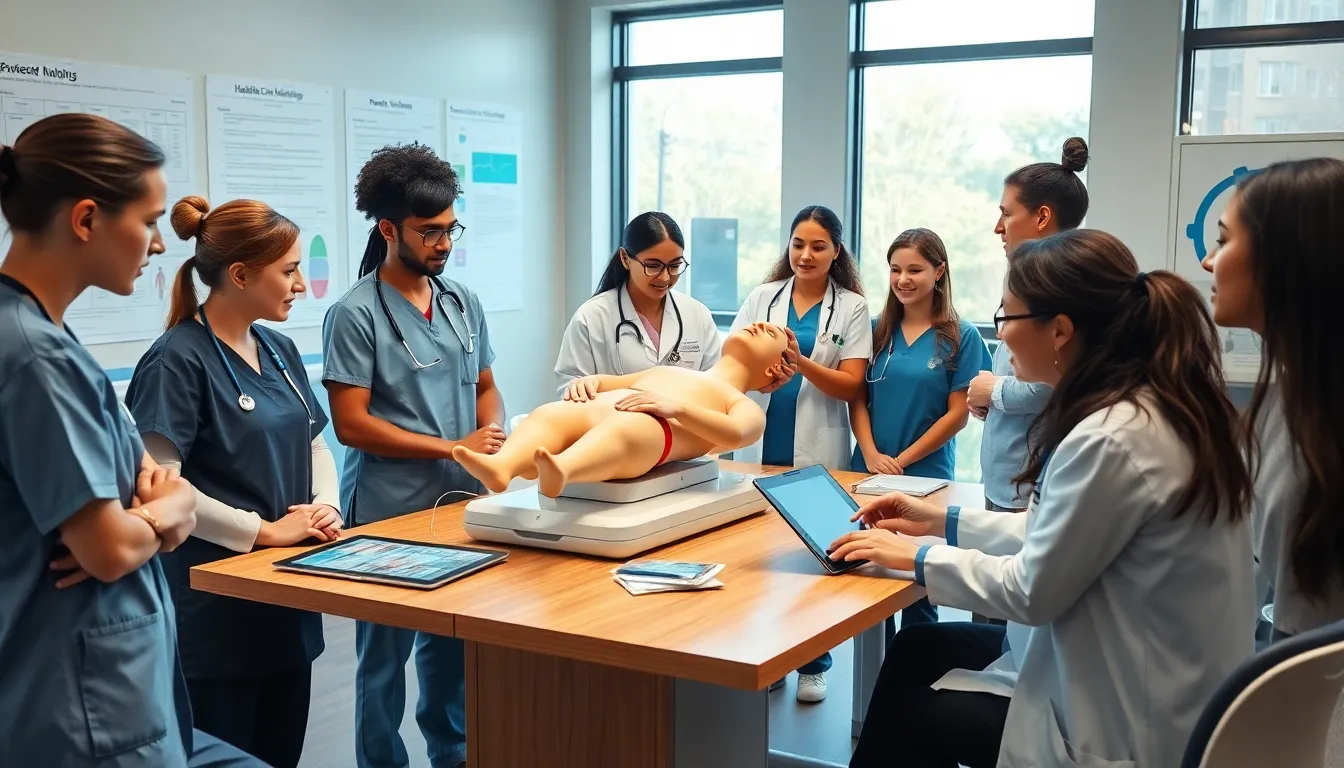
Nursing education has come a long way since the days when Florence Nightingale redefined the profession. Initially, training consisted of apprenticeships where students learned by shadowing experienced nurses. Fast forward to today, and nursing programs now offer a variety of degrees, from Associate Degrees in Nursing (ADN) to Doctor of Nursing Practice (DNP). This evolution reflects an increased recognition of the profession’s complexity and the need for highly skilled practitioners.
Gone are the days when nursing was thought of as merely a vocation. Now, it’s a respected profession requiring significant education, clinical skills, and critical thinking. The introduction of advanced degrees has paved the way for specialized fields within nursing, such as nurse practitioners and nurse anesthetists.
Current Educational Pathways for Nurses
Today, there are multiple paths one can take to become a nurse. The traditional route is through a four-year Bachelor of Science in Nursing (BSN) program which not only enhances clinical training but also incorporates leadership and research courses. For those looking to enter the workforce more quickly, ADN programs provide a two-year option.
In recent years, nursing programs have become more flexible. Many institutions have adopted online courses and hybrid programs that combine online learning with practical experience. This flexibility allows students to balance their studies with work and personal commitments, making nursing a more accessible career choice. Besides, programs now frequently incorporate hands-on experiences in simulation labs, where students can practice real-world scenarios safely before interacting with patients.
Technological Innovations in Nursing Education
Like other fields, nursing education has wholeheartedly embraced technology. Simulation labs GPS-track every heartbeat and pulse, imitating real hospital environments. Virtual reality (VR) and augmented reality (AR) are not just futuristic Hollywood dreams anymore: they’re becoming commonplace in nursing classrooms. Students practice intricate procedures on virtual patients before they interface with the real deal.
Also, e-learning platforms have transformed how information is delivered. Students can access cutting-edge resources like interactive videos and quizzes at their fingertips. Telehealth technologies have even been integrated into curricula, preparing future nurses for modern healthcare settings where remote patient monitoring is a growing trend.
Challenges Facing Nursing Education
While the horizon in nursing education looks promising, it is not free of obstacles. One major challenge is the ongoing shortage of nursing faculty. Many experienced nurses are retiring, leaving a gap in mentorship and teaching. This not only limits the number of students nursing schools can accept but also compromises the quality of education.
Also, funding for educational programs can be precarious. Institutions often grapple with budget cuts that affect resources, staff training, and classroom facilities. Keeping educational curricula current, relevant, and inclusive poses another hurdle, especially amid a rapidly evolving healthcare landscape.
The Importance of Continuing Education for Nurses
In an ever-changing field like healthcare, continuous education isn’t just a recommendation: it’s a necessity. For nurses, staying updated with the latest medical research, technologies, and healthcare policies is imperative for patient safety and care quality.
Many states now require nurses to complete continuing education credits to maintain their licensure. These programs go beyond the basics: they offer specializations and advanced certifications in areas like pediatric care and gerontology. Through ongoing education, nurses can better serve diverse patient populations and adapt to specialized roles.
Global Perspectives on Nurse Education
Nursing education is not uniform across the globe, cultural differences, economic factors, and healthcare needs all play a distinct role. For instance, countries with robust healthcare systems tend to have comprehensive nursing programs focusing on advanced practices and specializations. In contrast, developing nations may emphasize basic nursing skills and community health.
Global partnerships and exchange programs have grown in popularity, enabling nursing students to experience different healthcare models. This opportunity broadens their perspective, allowing for the sharing of best practices and skills across borders. Understanding how nursing functions in various cultural contexts can benefit nurses and enhance their adaptability and problem-solving skills in diverse situations.